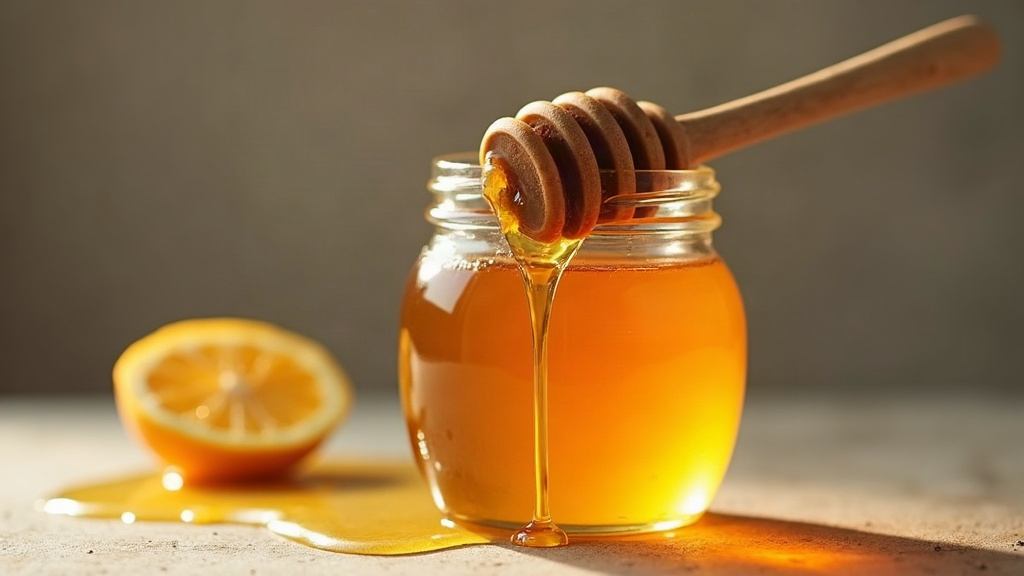
By age 50, decades of daily habits, diet, and rest patterns have already shaped how the brain works. That’s part of why more people are looking into how natural ingredients like honey fit into everyday routines built around long-term thinking habits.
Cognitive changes after age 50 are common and rarely caused by a single factor. Understanding the contributing elements is a useful first step before any conversation with a healthcare provider.
Many adults notice it takes a little longer to retrieve names, dates, or details that once came instantly.
Sleep architecture changes with age, and fragmented rest is frequently discussed alongside daytime focus difficulties.
Blood flow to certain brain regions can decline gradually, a topic often raised in aging research.
Nutrient absorption changes with age, which is part of why some people revisit whole foods, including honey, as part of a balanced diet.
Misinformation around cognitive aging is common. Here is how some widely repeated claims compare with what is generally understood.
Memory decline after 50 is inevitable and cannot be addressed in any way.
While some changes are typical with age, many people explore lifestyle, sleep, and nutritional habits with their healthcare provider.
Only prescription medication has any relevance to cognitive health conversations.
Diet, sleep quality, and physical activity are widely studied alongside medical guidance, not as replacements for it.
Natural ingredients like honey have no place in a serious health discussion.
Certain natural compounds, including specific varieties of honey, remain a subject of ongoing scientific curiosity and research.
This is not a treatment protocol. It is a general approach some people use to think more intentionally about routine and consistency.
Start by noticing when focus and recall feel strongest or weakest throughout a typical day.
Reduce unnecessary complexity around meals, sleep timing, and repetitive tasks to support consistency.
Small, steady habits tend to be easier to maintain than dramatic short-term changes, according to general wellness guidance.
Honey has been part of household and dietary traditions across many cultures for centuries, long before modern laboratories existed. In recent decades, researchers have taken a renewed interest in specific honey varieties, examining their composition and how they compare to other natural sweeteners. This has moved the conversation from folklore toward structured scientific inquiry, though findings remain an active area of study rather than settled conclusions.
Insight: Traditional use does not equal proven benefit. It simply explains why certain natural ingredients attract ongoing scientific attention today.
Losing track of keys, glasses, or phones more often than in previous years.
Losing the thread of a discussion that involves several points or people.
Finding it harder to remember names introduced within the last day or two.
Relying heavily on reminders for events that used to be easy to remember.
Feeling mentally tired well before the day is finished, even without physical exertion.
Simple choices, like meal planning, start to feel unusually taxing.
These testimonials reflect individual opinions and experiences. They are not a guarantee of any outcome, and results vary from person to person.
No. This content is educational and informational only. It does not diagnose, treat, cure, or prevent any disease or condition.
Honey has a long history in traditional dietary practices and has recently attracted renewed scientific interest, which this presentation explores from an informational standpoint.
No. Never change or stop any medication without first consulting your physician or healthcare provider.
Not necessarily, but persistent or worsening changes should always be discussed with a qualified healthcare professional.
The presentation references general research trends and traditional use. It is not a substitute for peer-reviewed medical advice specific to your situation.
It is designed for adults over 50 who are interested in learning more about factors associated with cognitive aging.
No purchase is required to view the educational content presented in the video.
Watch the complete presentation to understand the research, history, and context behind this growing conversation around memory and daily habits after 50.
Advertising Disclosure: This page contains sponsored content and affiliate links. We may receive compensation if you click a link or make a purchase through the links provided on this page. This helps support the operation of this website at no additional cost to you.
Content Disclaimer: The information provided on this page is for educational and informational purposes only and has not been evaluated by the Food and Drug Administration. It is not intended to diagnose, treat, cure, or prevent any disease or health condition. Always consult a qualified healthcare professional before making changes to your diet, lifestyle, or medication routine.
Results Disclaimer: Individual results vary. Testimonials and opinions shared on this page reflect personal experiences and are not a guarantee of any specific outcome for any individual.
© 2026 · All Rights Reserved · /contact/